


Meet Wojtek, Sumerian Six‘s Most Loveable War Machine
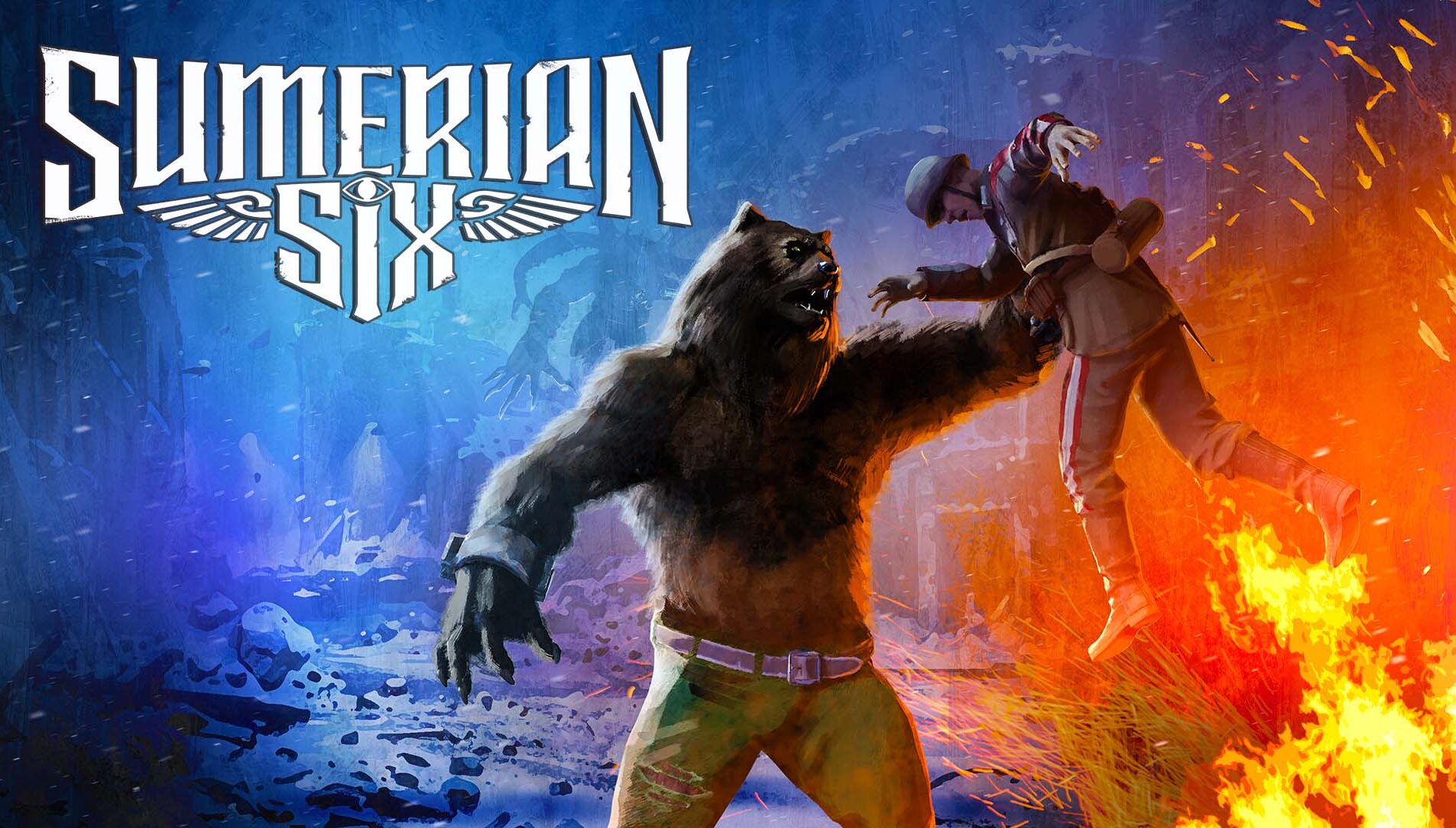
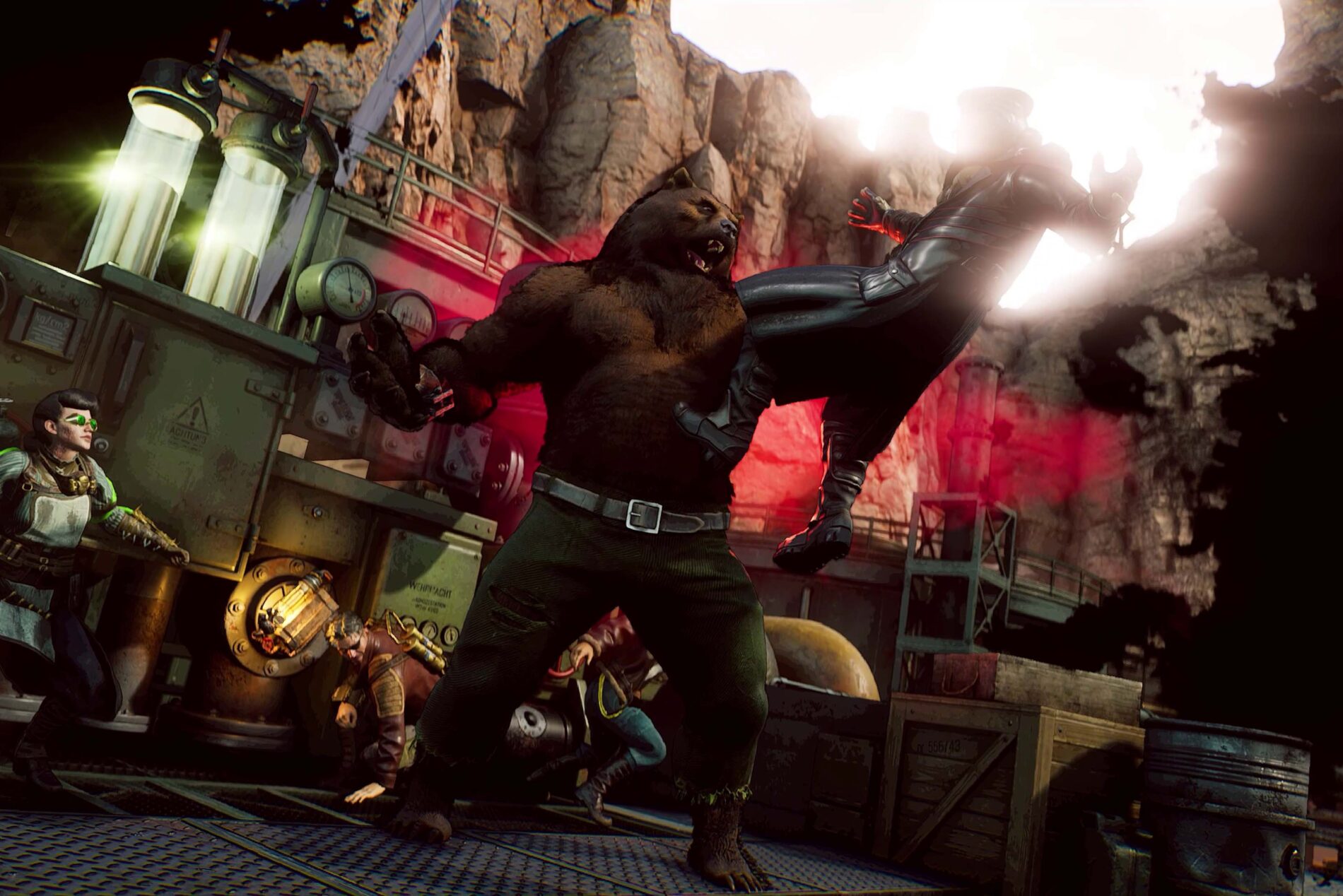
Sumerian Six is a tactical stealth game set in an alternate-history World War II, where a squad of supernatural operatives is sent behind enemy lines to stop a Nazi occult programme. It’s a game full of colourful characters, but one stands head and shoulders – and several hundred kilograms – above the rest: Wojtek, a Polish soldier who also happens to be a werebear. In combat, he can shift freely between his human form, where he brings stealth, dexterity, and tactical thinking to the mission, and his bear form, where subtlety goes out the window and raw, unstoppable force takes over. He’s one of those characters who earns his place in a roster immediately – the moment you realise you can send a shapeshifting bear crashing through a German patrol, the game has you. But as wonderfully over-the-top as a werebear soldier sounds, the real story that inspired him is somehow even better.

The Real Wojtek: A Bear Who Actually Enlisted
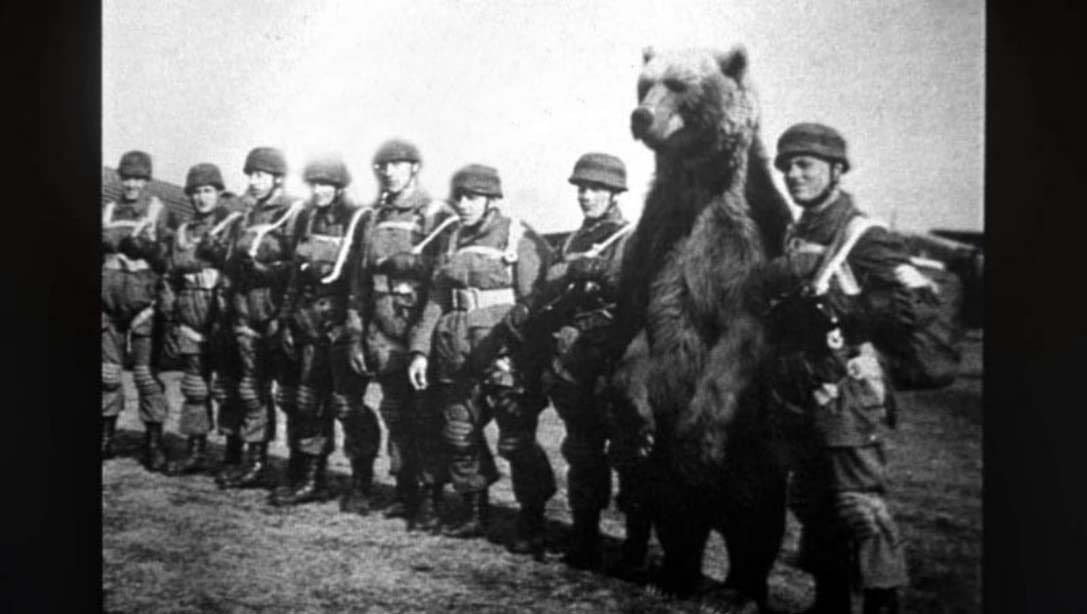
It’s 1943, somewhere in Iran. A group of Polish soldiers – exiles fighting their way across the Middle East after escaping Soviet labor camps – encounter a young boy with a bear cub in a burlap sack. His mother had been killed by hunters. In exchange for a Swiss Army knife, some canned beef, and a bit of chocolate, the soldiers took him in. They named him Wojtek, a Polish diminutive meaning, brilliantly, “joyful warrior.”
They fed the tiny cub condensed milk from an empty vodka bottle. They wrestled with him, shared their rations, and let him ride in the front seat of their trucks. Wojtek, for his part, took to military life immediately – he marched in formation on his hind legs, learned to salute, and picked up a few of his comrades’ less wholesome habits along the way, including a taste for beer and a fondness for eating cigarettes whole (he never quite got the hang of the smoking part).
By the time the 22nd Artillery Supply Company prepared to ship out to Italy, Wojtek had grown into a full-sized Syrian brown bear. This created a small bureaucratic problem: the British transport ship forbade mascots and animals. The Polish soldiers’ solution was wonderfully straightforward – they simply enlisted him. Wojtek was drafted as a private, given a serial number and a paybook, and officially listed among the soldiers of the company. No one, apparently, questioned this.

The Battle of Monte Cassino: Where Legends Are Made
In May 1944, the Allied forces faced one of the most punishing battles of the entire Italian campaign – the assault on Monte Cassino, a fortified German stronghold perched atop a mountain that had already repelled three previous attacks. The Polish II Corps was tasked with taking the summit.
During the battle, Wojtek did something that would cement his place in history. Watching the men around him haul heavy crates of artillery ammunition through the chaos, he simply started doing the same. He carried 25-pound artillery shells in crates that would normally take four men to move, hauling load after load without dropping a single one. Whether through mimicry, solidarity, or some combination of both, he had decided his unit needed help – and he helped.
After the Polish victory, Wojtek was promoted to corporal. The 22nd Company adopted the image of a bear carrying an artillery shell as their official emblem, printed on vehicles, pennants, and uniforms. One of the most decorated units of the Italian campaign went into battle under the banner of their bear.
After the war, when Poland fell under Soviet control and most of the soldiers could not safely return home, Wojtek came with his unit to Scotland. He spent his retirement at Edinburgh Zoo, where former soldiers regularly visited, tossing him cigarettes over the fence and speaking to him in Polish – which he reportedly still responded to. One story tells of a man who brought a violin to the zoo and played a Polish mazurek, and Wojtek, the old soldier, began to sway. He died in 1963, aged 21, weighing nearly 500 kilograms. Statues in his honour now stand in Edinburgh, Warsaw, Kraków, Cassino, and beyond.

From History to Sumerian Six: The Joyful Warrior, Reimagined
It’s not hard to see why the developers reached for Wojtek when building their ensemble of supernatural WWII operatives. The real bear was already almost mythological – loyal beyond reason, absurdly capable, as comfortable among soldiers as he was being a bear. All Sumerian Six had to do was lean into what was already there and add a touch of the supernatural.
The game’s Wojtek carries forward the spirit of his real-world counterpart in both directions. In human form, he brings the intelligence and adaptability that the historical Wojtek showed just by existing in a military unit and figuring things out – from carrying ammunition to learning the camp routines. In bear form, he channels the raw physical force and the undeniable presence of a 500-kilogram creature that once singlehandedly improved Allied logistics at Monte Cassino. The ability to switch between the two isn’t just a cool mechanic; it’s a portrait of an animal who was always a little bit of both – a bear who thought like a soldier, and a soldier who happened to be a bear.
The real Wojtek’s story resonated so deeply because it captured something true about loyalty, about belonging to something bigger than yourself, and about the unexpected places where courage shows up. A shapeshifting werebear fighting Nazis in a supernatural commando unit is, in the most sincere way possible, exactly the kind of sequel he deserves.