


We already knew layering a cozy social game on top of a battle royale was an unusual move. What we didn’t entirely know until Super Animal World launched was just how differently players would respond to that mix.
Some wanted to see every quest and storyline through to the end. Others wanted to fish, catch bugs, and make friends in the Social Hub. A third group wanted as little standing around as possible before charging into the next firefight. Those reactions gave us a much clearer picture of what Bright Future, our first major update after the expansion, needed to focus on first.
That wide range of reactions wasn’t a flaw in Super Animal World. In many ways, it was the point. A big goal for the expansion was to make Super Animal Royale better at bringing together friends with different tastes in the same space, whether they wanted to quest and socialize for a while or jump straight into another match. But once it was live, it also made one thing hard to miss: players who mostly come for battle royale and our other competitive modes needed the path from one match to the next to feel quicker and smoother, and for the rounds themselves to feel fuller and more lively.

A Faster Path Back Into Battle
Bright Future’s first response to that was to make getting back into our core modes feel faster and more seamless. Play Again and Auto-Accept for queues make it easier to roll from one round into the next, which matters a lot for that “just one more round” feeling after every attempt to outlast the other 63 players. Hot Mode tackles the fullness side of the equation by spotlighting one featured mode each day and offering bonus XP, helping concentrate players into fuller matches without making it feel like the only worthwhile choice.
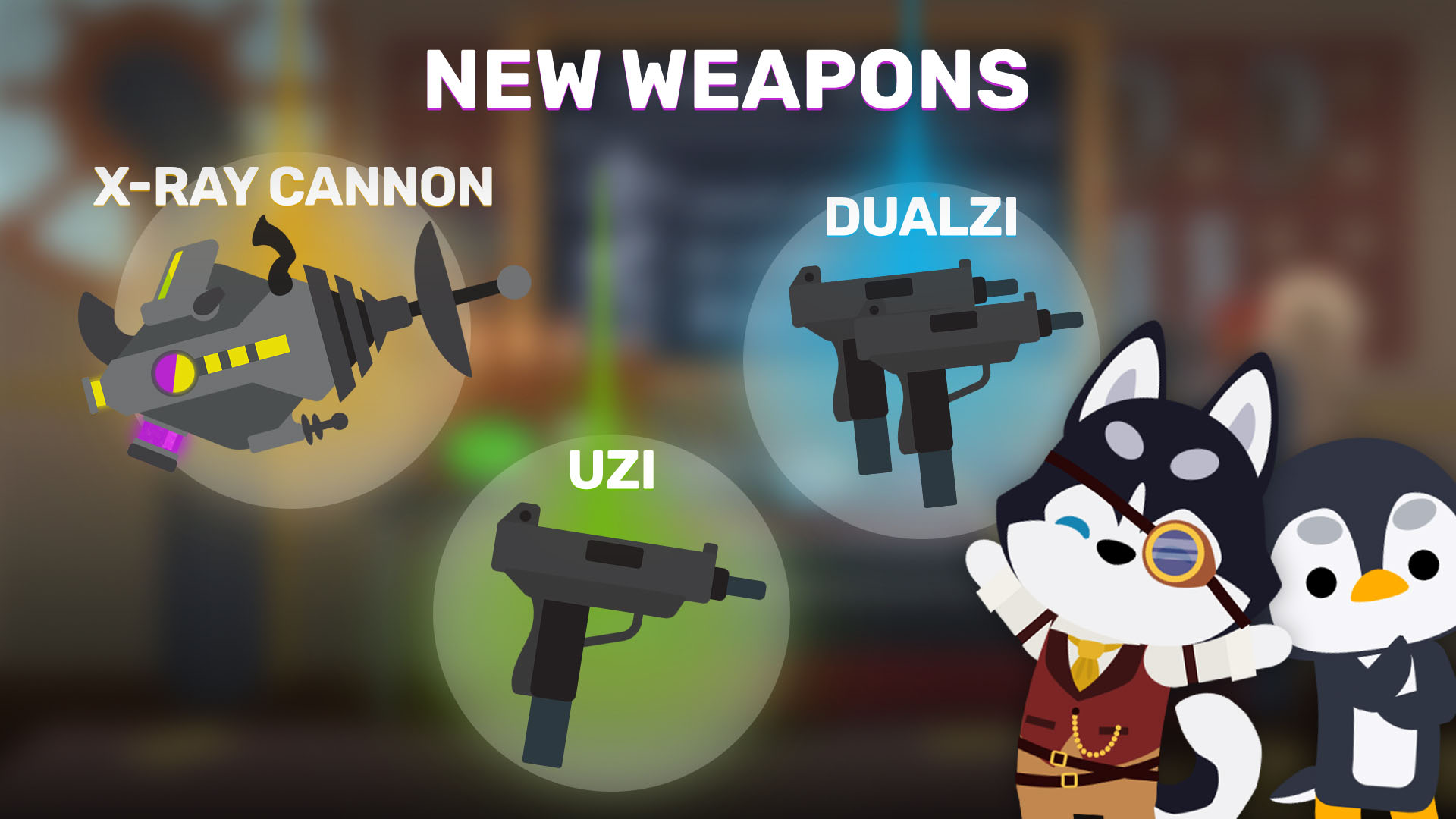
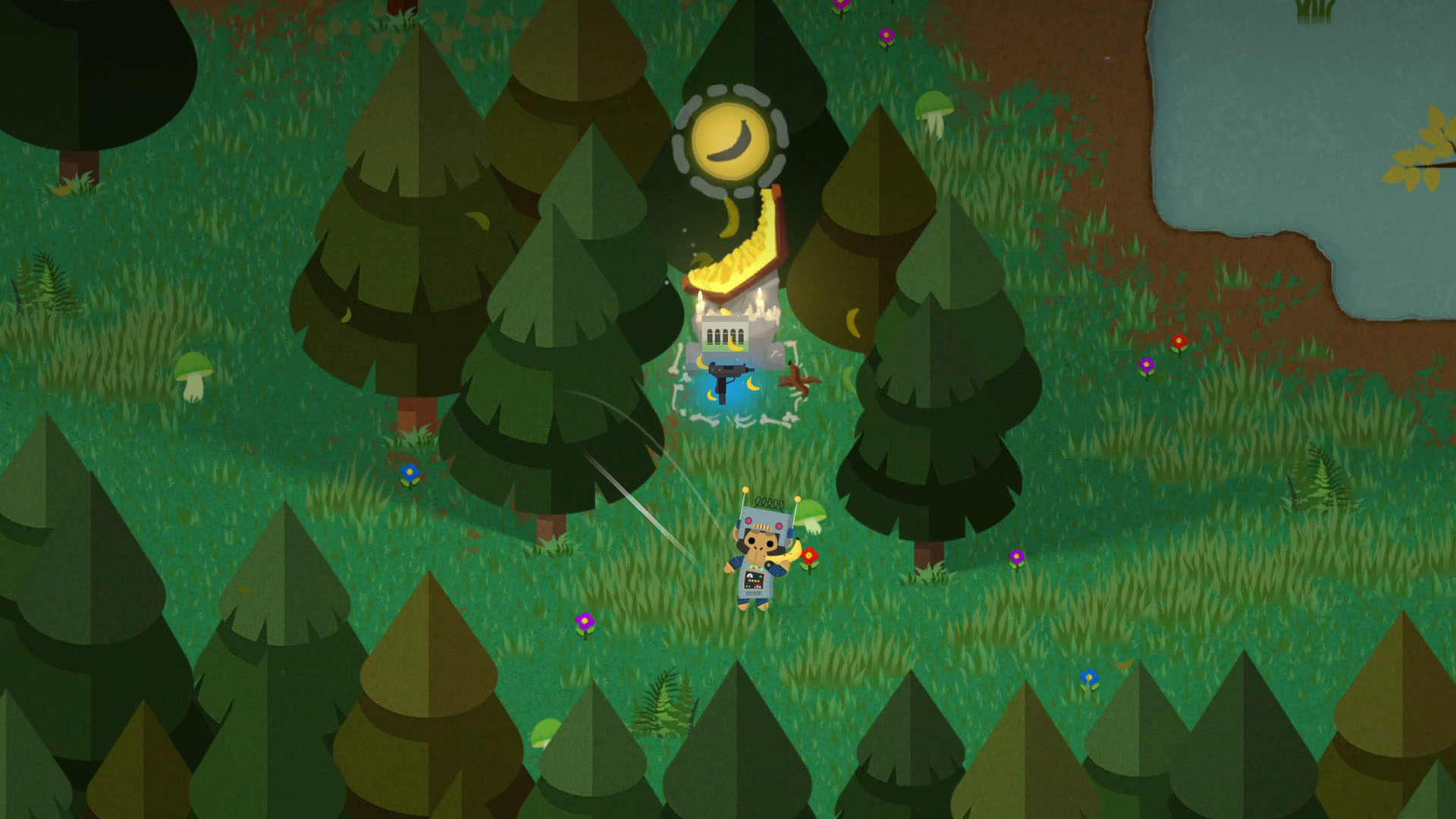
But smoothing out the return to battle was only half the job. After spending more than two years building out the cozy side of Super Animal World, we also wanted Bright Future to make battle royale itself feel fresh again. That’s where additions like the X-Ray Cannon, Uzis that can pair up into Dualzis, and Banan Altars come in, giving core players new reasons to queue up while adding a little more unpredictability to the island’s firefights. To keep that experimentation from permanently bloating the weapon pool, Bright Future also adds a limited-time weapon rotation system that lets us cycle in new weapons without cluttering the core set.
Making Updates Part of the World
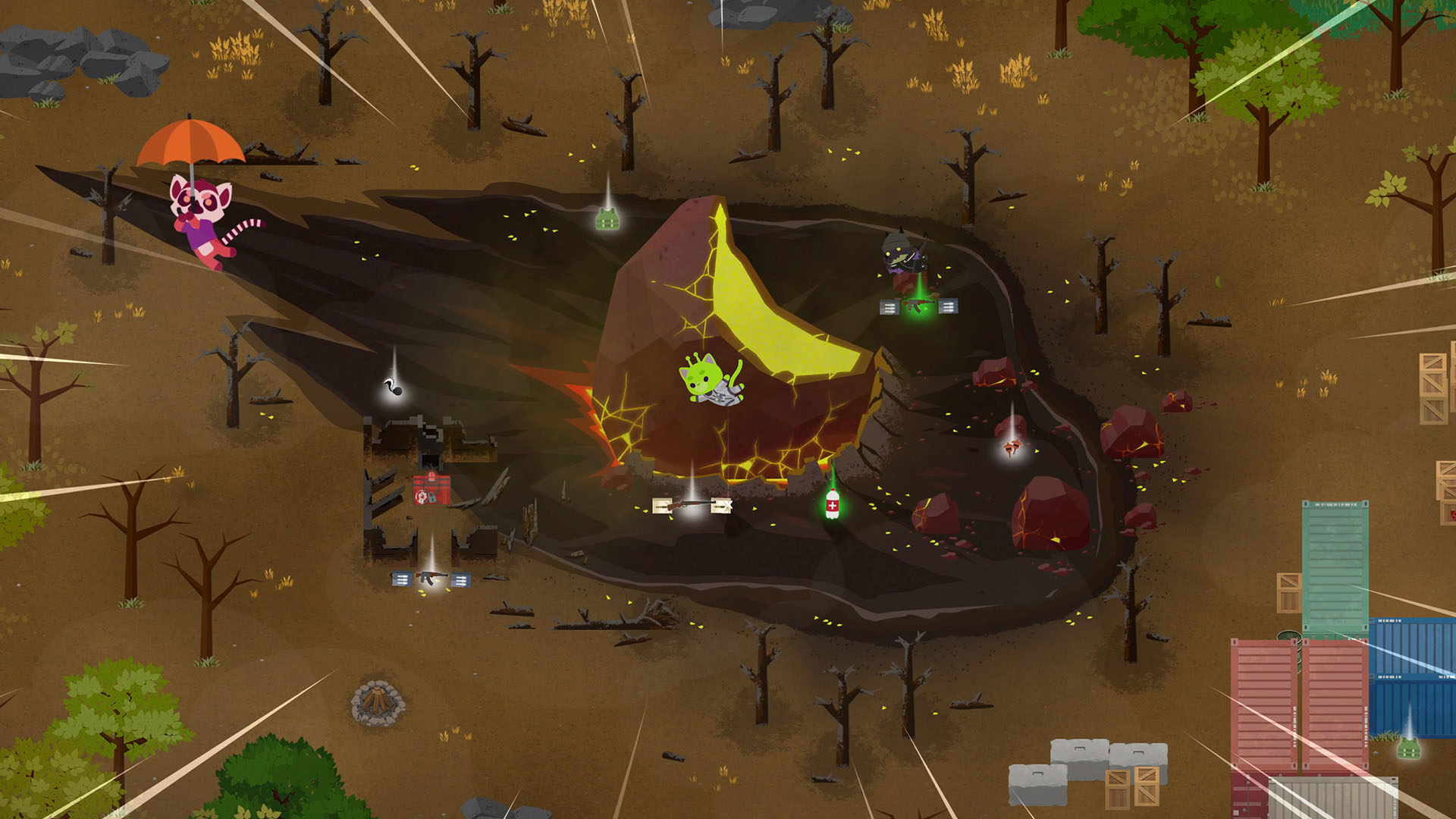
That competitive focus is only half the story, though. Super Animal World also gave us something just as important as ways to relax between battles: a way to make regular updates feel rooted in the world instead of just layered on top of it. Bright Future is the first big payoff for this, using the new quest system to turn a meteor crash into a whole new storyline and retro-future-themed season. Instead of just reading about the changes in patch notes, players get to explore the world, talk to characters, and uncover what the mysterious Banananite ore means to the island’s inhabitants, from a banana-worshipping cult to the local weapon designer, to a new group of space-obsessed apes.
This sort of thing matters beyond any one update. After more than eight years of building on Super Animal Royale, Super Animal World gave us a much better foundation for seasonal follow-ups that respond to player feedback while also making the world feel more alive through ongoing storytelling. Bright Future is the first real example of what that kind of faster, more connected follow-up can look like. That gets at the larger balance we’re after. The goal isn’t to choose between cozy and competitive, but to let the strange and funny contrast between them make the whole game richer. After a huge cozy expansion, Bright Future leans more toward players who wanted a snappier return to core modes, but it’s still built on the same larger idea: a game that can bring together friends with very different tastes in one world.